Septic Tank Inspections in the South Bay, CA
A proper inspection checks the tank, the baffles, the pipes, the drainfield and the filter, then tells you in plain language what it means. For home sales and for homeowners who want to know where they stand.
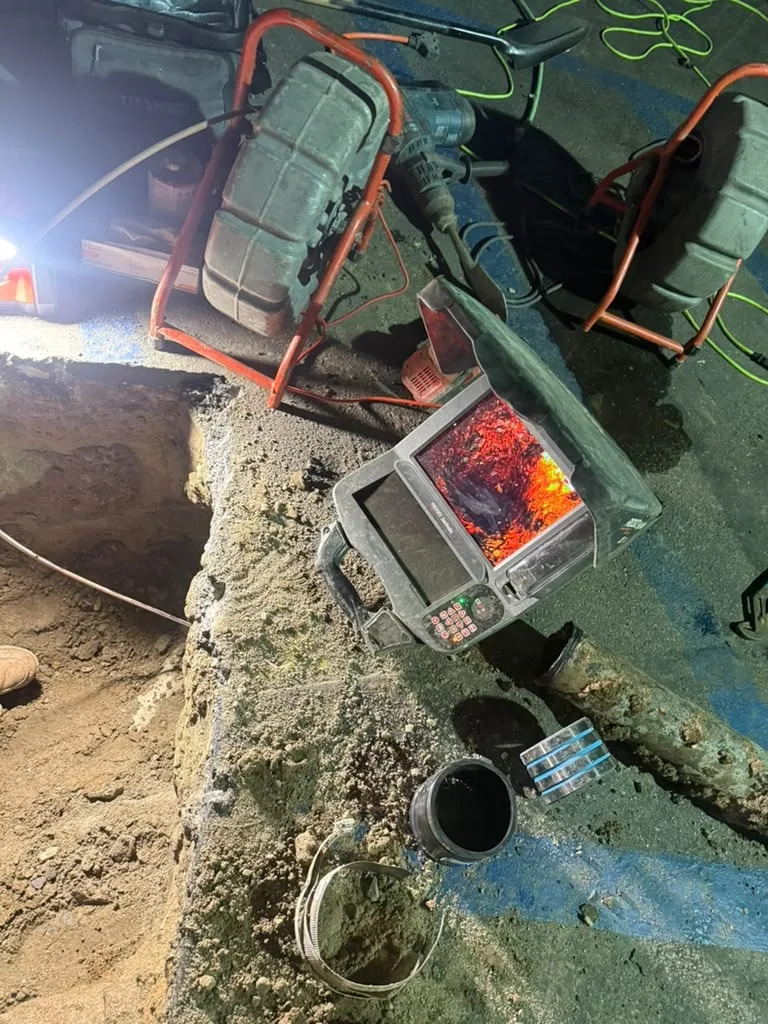 Septic Tank Inspections
A septic inspection is how you find out what is really going on underground. From the surface, a failing system can look fine: the grass is green, the drains work most days, and nothing smells yet. Inside the tank and out in the drainfield, the story is often different. An inspection measures what is in the tank, checks the parts that wear out, and looks at how the drainfield is coping.
SOS Pumping Inc has inspected septic systems for more than 40 years. Our licensed technicians work through the same checklist on every inspection, whether it is for a home sale, a maintenance check, or a system that is starting to act up. We serve Torrance, Long Beach, Inglewood, Hawthorne and Gardena, and every inspection ends with a written report you can actually understand.
This page explains what an inspection includes, what it costs, how long it takes, and what the report means. If you are buying or selling a home with a septic system, read the home-sale section first — that inspection is the one that protects the most money.
Is this a septic emergency?
If any of these four is happening right now, stop running water and call — do not wait for a scheduled visit.
Sewage backing up
Toilets, tubs or drains pushing sewage back into the house.
Call now →Tank or yard overflowing
Standing sewage, wet spots or pooling over the tank or drainfield.
Call now →Strong sewage smell
Rotten-egg or sewage odor indoors, or around the tank and yard.
Call now →Alarm sounding
The septic alarm is on — the tank is full or the pump has failed.
Call now →None of the four, but drains are slow or gurgling? That is usually a pumping, not an emergency — schedule a pumping or read the 7 signs your tank needs pumping.
What a septic inspection includes
A full inspection covers the whole system, not just the tank. The tank is where most of the visible wear happens, but the drainfield is where the expensive failures live, so both get checked. The visit starts above ground: we look at the area over the tank and drainfield for wet spots, smells, unusually lush grass and any sign that effluent is surfacing.
Then we open the tank. We measure the sludge and scum layers to see how full it is and whether it is due for pumping. We check the water level: it should sit at the outlet, not above it. A high water level usually means the drainfield is not taking water away as fast as it should, which is one of the most useful things an inspection can reveal.
We inspect the baffles at the inlet and the outlet, the pipes that carry wastewater in and effluent out, and the effluent filter if the system has one. We look for cracks in the tank walls and the lid, signs of root intrusion, and any damage from vehicles or heavy equipment driving over the system. If the system has a pump or an alarm, we test those too.
The drainfield gets its own check, described in the section below. At the end of the visit you get a report that lists what was checked, what was found, and what should happen next — pump now, monitor a part, or repair something before it fails.
- Tank: sludge and scum levels, water level, cracks, lid condition
- Baffles: inlet and outlet baffles checked for cracks, collapse or missing parts
- Inlet and outlet pipes: blockages, damage and root intrusion
- Effluent filter: cleaned and checked, or flagged for replacement
- Drainfield: wet spots, smells, surfacing effluent and signs of overloading
- Pump and alarm: tested where the system has them
- Site: vehicle traffic, paving or structures over the tank and drainfield
- Records: pumping history and past repairs, where the owner has them
Buying or selling a home?
A septic inspection is one of the highest-value checks in a home sale. A new roof is visible; a failing drainfield is not. Buyers who skip the inspection can inherit a system that needs thousands of dollars of work in the first year. Sellers who get one first can price honestly and avoid a deal falling apart late.
For buyers, the inspection answers three questions: how old is the system and what shape is it in, when was it last pumped, and does the drainfield still absorb water properly? The report gives you facts to take to the negotiating table instead of guesses. If the tank needs pumping or a baffle needs replacing, that is a small item. If the drainfield is failing, that changes the deal.
For sellers, an inspection before listing removes surprises. It shows the system is maintained, gives buyers confidence, and lets you fix small problems on your own schedule instead of under a closing deadline. Bring any records you have — pumping receipts, past repair invoices, the location of the tank and drainfield — because records make the inspection faster and the report stronger.
Timing matters. Book the inspection early in the process, not the week before closing. If the report flags a repair, you want time to get a quote and a fix, not a scramble. Call (805) 307-3409 and tell us it is for a home sale, so we allow enough time and bring the right paperwork.
The drainfield check
The drainfield is the part of the system that does the real work of treating wastewater. Effluent flows out of the tank into a network of perforated pipes buried in gravel and soil, and the soil filters and treats it as it soaks away. When the drainfield works, nothing shows on the surface. When it does not, the signs are hard to miss.
During an inspection we walk the drainfield area and look for the classic signs of trouble: standing water or soggy ground when it has not rained, sewage smells, effluent surfacing, and patches of grass that are far greener and faster-growing than the rest of the lawn. We also check the water level in the tank, because a high level usually means the drainfield is backing up.
We look for the things that damage drainfields over time. Solids escaping from a tank that was pumped too rarely clog the soil. Tree roots grow into the pipes. Heavy vehicles compact the soil and crush the lines. Too much water — from a leaking toilet, a large household, or a water softener that drains into the system — overloads the field faster than the soil can absorb it.
A drainfield inspection cannot see through the ground, and no honest inspector will claim otherwise. What it can do is combine the surface signs, the tank water level, the pumping history and the condition of the outlet to give a clear verdict: the field is working, it is under strain and needs attention, or it has failed and needs repair or replacement. That verdict is often the most important line in the whole report.
How long does an inspection take?
A standard inspection takes about one to two hours on site. The exact time depends on access. A tank with a riser and a visible lid is quick to open. A buried tank with no records takes longer, because the first job is finding it.
If the inspection is combined with a pump-out, allow extra time — pumping a standard residential tank usually adds another hour. For a home-sale inspection, we allow a longer window so nothing is rushed and the report is complete before we leave.
You do not need to be home for the whole visit, but it helps to be there at the start to point out the tank location and hand over any records, and at the end to walk through the report. If you cannot be there, we leave the written report with our findings and recommendations.
What slows an inspection down is almost always access. A tank under a concrete patio, a drainfield under a new driveway, or a property where no one knows where the system is buried all add time. If you have old plans, a survey, or even a rough sketch from a previous owner, have them ready. An hour spent finding the tank is an hour that tells you nothing about the system.
What your inspection report means
An inspection report should not read like a mystery. Ours gives every finding a plain verdict: pass, monitor, or repair. Pass means the part is in good working order. Monitor means it is working now but wearing out, and it should be checked again at the next visit. Repair means it needs fixing before it causes damage.
The report lists the sludge and scum measurements, the water level, the condition of the baffles, pipes and filter, and the state of the drainfield. It also notes the pumping history and recommends the next pump-out date. Keep the report with your house records — it is useful for the next owner, the next technician, and any future sale.
A report that flags a repair is not bad news; it is the inspection doing its job. A cracked baffle caught now is a small repair. The same baffle left for two more years can cost you a drainfield. If the report recommends work, we can quote the repair separately, and our septic tank repair page explains how we decide between repair and replacement.
| Verdict | What it means | What happens next |
|---|---|---|
| Pass | The part is in good working order | No action; recheck at the next inspection |
| Monitor | Working now, but wearing out | Watch it; plan the fix at the next visit |
| Repair | Needs fixing before it causes damage | Get a quote and schedule the repair |
How much does an inspection cost?
We do not publish prices, because the cost depends on the job. A simple inspection of an accessible tank costs less than an inspection that starts with locating a buried tank, and combining the inspection with a pump-out changes the price again. Every job gets a free estimate first.
For market context, published cost guides put a typical septic inspection at $100–$250. What moves the price within that range is access, tank size, whether pumping is included, and whether the drainfield needs a deeper look. Our cost guide explains the price factors in full.
The honest way to think about inspection cost is against the cost of not inspecting. A home-sale inspection is a small fraction of the price of a failed drainfield discovered after closing. For a homeowner, a regular inspection is the cheapest way to find a small problem while it is still small.
One more thing to weigh is who is doing the inspecting. A low price from a company that never opens the tank is not a bargain — it is a report that says nothing. Ask what the inspection covers before you book, and make sure the answer includes opening the tank, measuring it, and checking the drainfield. That is the inspection that protects your money.
- Access: a tank with a riser and visible lid is fastest to inspect
- Locating: a buried tank with no records takes extra time to find
- Tank size: larger tanks take longer to measure and check
- Pumping included: a combined inspection and pump-out costs more than inspection alone
- Drainfield depth: a deeper check of a struggling drainfield adds time
Can you inspect your own septic tank?
You can do a basic check yourself, and you should. Walk the drainfield after rain and look for standing water or smells. Watch your drains for slowness in more than one fixture. Note gurgling toilets and any patch of grass over the drainfield that grows faster than the rest. These checks cost nothing and catch problems early.
But do not open the tank yourself. A septic tank holds methane and hydrogen sulfide, gases that can knock a person out in seconds, and the walls of an old tank can collapse under a person's weight. Opening a tank is a job for a licensed technician with the right equipment.
A homeowner check is a good early warning system, not a substitute for an inspection. The measurements that matter — sludge and scum depth, water level, baffle condition — can only be taken with the tank open, by someone trained to read them. Use your own checks to decide when to call, and let the professional do the rest.
How to choose an inspector
Not every inspection is the same, so ask what you are getting before you book. A real inspection opens the tank and measures it. A walk-around that never lifts a lid is not an inspection, whatever it is called.
Ask whether the report is written and what it covers: tank, baffles, pipes, filter, drainfield and pump or alarm if present. Ask whether the inspector also does repairs — an inspector who can fix what they find saves you a second visit, but the findings should be reported plainly either way. And ask for the pumping history to be included in the report, because the last pump-out date shapes every recommendation.
SOS Pumping Inc brings 40+ years of experience to every inspection, with licensed technicians and a warranty on all work. Our inspections cover the full checklist above, and the report is written in plain language with a clear verdict on every part. Call (805) 307-3409 to book, and tell us if it is for a home sale so we allow the right amount of time.
- Does the inspection open the tank and measure sludge and scum?
- Is the drainfield checked, not just the tank?
- Do you get a written report with clear verdicts?
- Is the pumping history included in the report?
- Can the same company quote and carry out any repairs found?
What your inspection includes
- Full tank check: sludge, scum and water levels measured
- Baffles, inlet and outlet pipes inspected
- Effluent filter cleaned and checked
- Drainfield walked and checked for leaks and overloading
- Pump and alarm tested where the system has them
- Written report with pass, monitor or repair verdicts
What it costs
Every septic job is priced on its own scope — tank size, access, condition and what else the visit finds. There is no flat rate that fits every tank, and we do not publish prices we cannot stand behind.
- What moves the price: tank size, pumping history, access to the tank, extra work found on site
- Free estimate: call or send the form and we quote your job, not a guess
Read the cost guide → for the market ranges and the four price factors, with sources.
What happens when you call
You call or send the form
Tell us what is happening and where. Emergency calls go first — stop running water while you wait.
We diagnose on site
A licensed technician opens the tank, measures sludge and scum, and checks baffles, inlet, outlet and the drainfield.
We pump or fix it
Pump-out, cleaning, repair or replacement — whatever the diagnosis calls for, quoted before the work starts.
You get a condition report
What we found, what we did, and when to pump next — so the next visit is planned, not an emergency.
Tell us about your septic system
A few details is all it takes — what is happening, where, and how urgent it is. We reply with next steps and a free estimate.
Prefer to read first? The cost guide breaks down every price factor, and the emergency page tells you what to do right now if sewage is backing up.
Request a Free Estimate
Tell us what is happening — we reply with next steps and a free estimate.